Reflections in Early Winter: Foraged Decor, Slowing Down, and Following the Season’s Cues

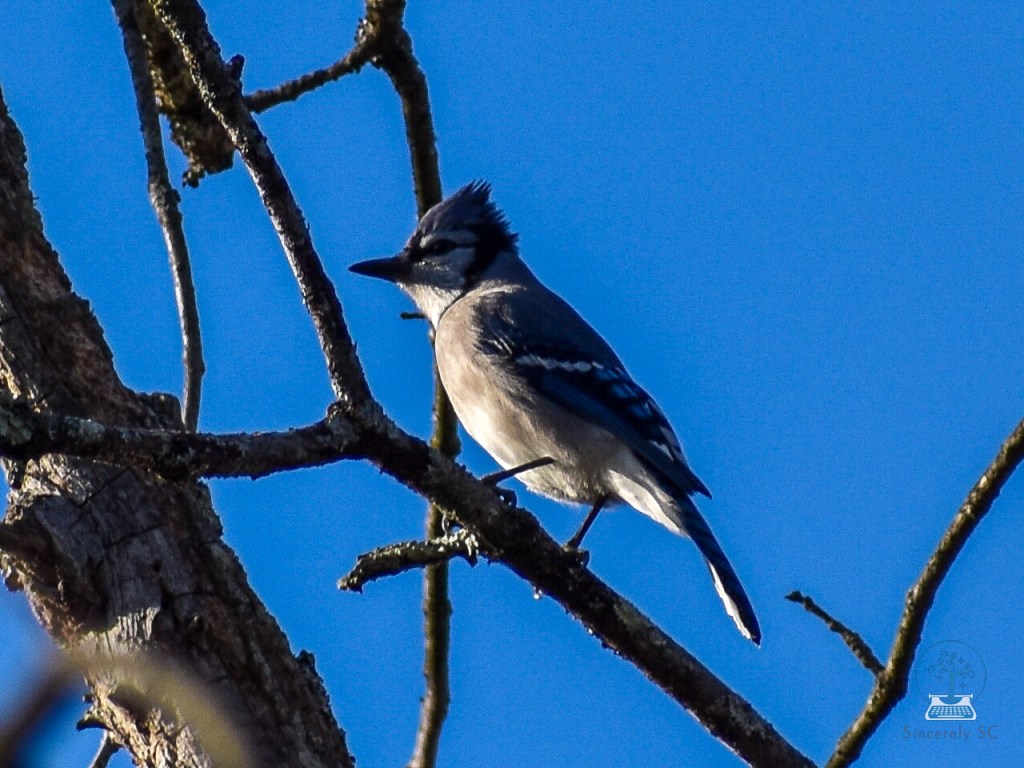
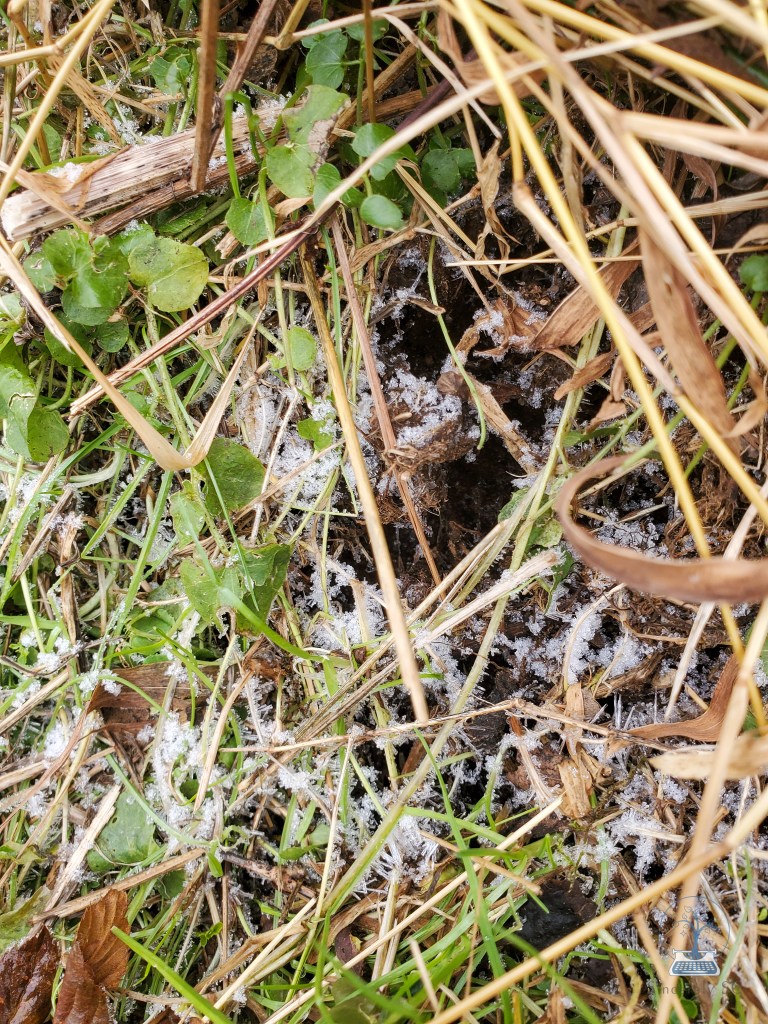
It’s quiet. Still. Every now and again, a bird can be heard rustling in the leaves, searching for bugs to eat for breakfast. Frost glimmers on the grass. I can see my breath escape my lips, as I deeply inhale the scent of the winter woods, then let the breath out again. Snow flurries dance all around me. Winter has arrived.
December is often a busy and hectic time of year. Several holidays, the rush to finish end-of-year goals, cramming in celebrations with friends and family…sometimes it’s stressful and overwhelming. This year especially has seemed like an overwhelming one: small makers, businesses and publications are struggling, some forced to shut their doors or completely change their business models. There’s violence everywhere, innocent lives stolen, war and hunger. Farmers struggling to make a living, or keep their crops and land resilient to the changing climate. And so much more. When the nights are long, dark, and cold like this, it can be difficult to think of much else, so ever-present are the difficulties of the world.
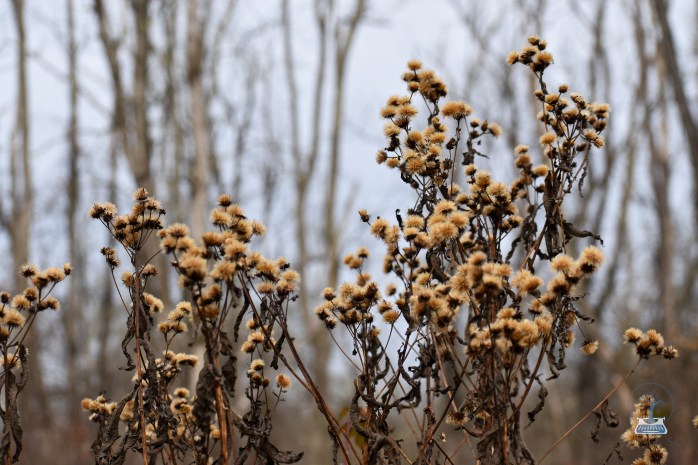
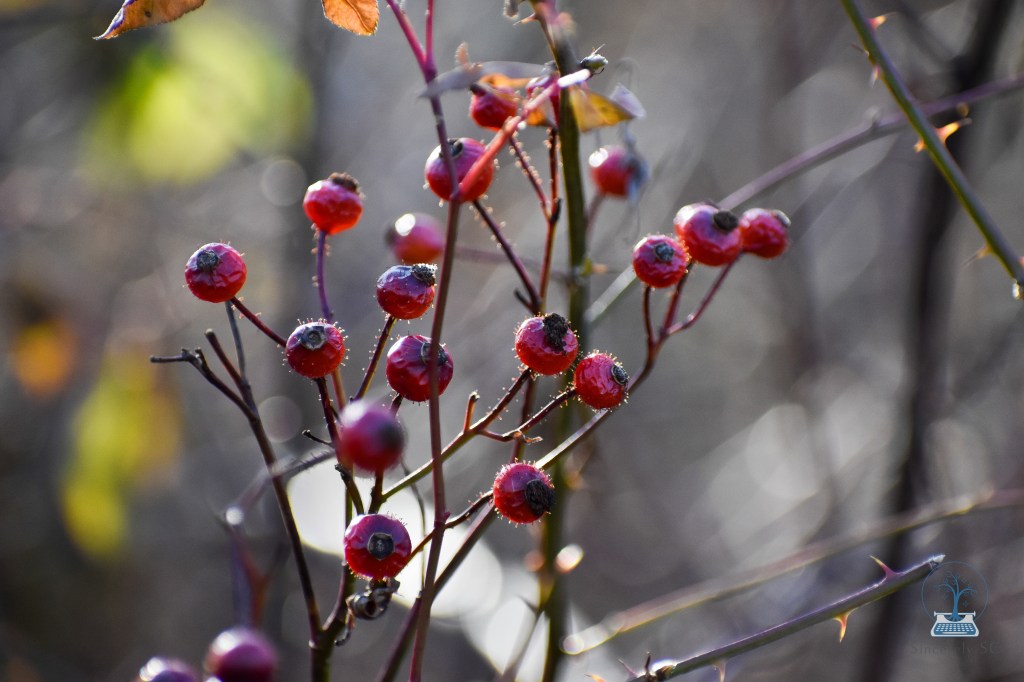
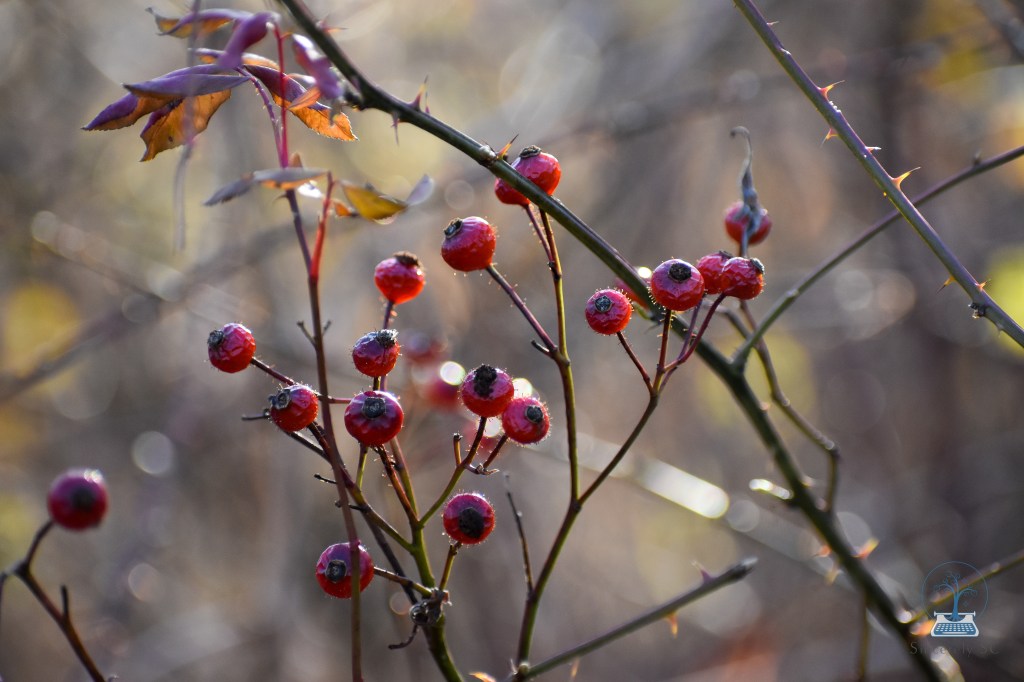
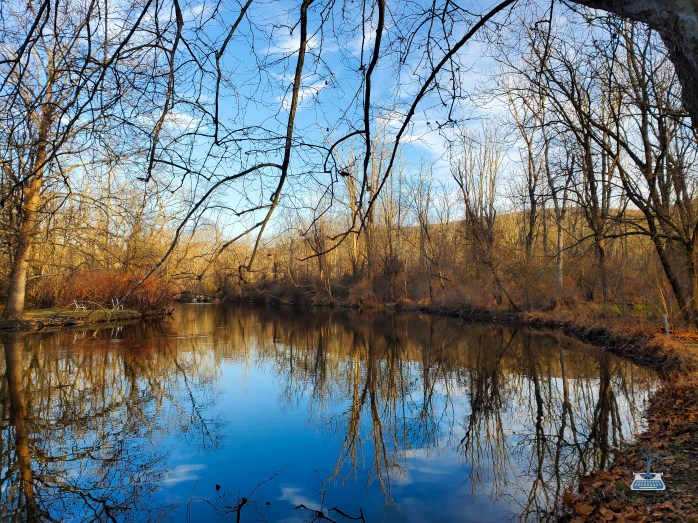
Yet, when I step outside, everything goes quiet. The cold air immediately cools me down, pushing away the heat of stress that has been building up inside. The thoughts racing through my head fade as my attention is drawn to the small dark-eyed junco in the leaves, the bright red rosehips popping out from the gray, sleeping trees, the silver ice forming on the stream’s edges. The world is slowing down with the official arrival of winter, and so too is my heart rate and anxiety.
Mother Nature is on no clock, has no deadline, in no rush. She does exactly what she’s supposed to at exactly the right time. She doesn’t have to rush to the mall, or listen to the news, or cram every last end-of-the-year task in. Rather, she finally falls asleep after the past few months of winding down. She enters a state of rest, her plants and animals hibernating, her birds gone south. The few birds that either stayed or came from further north, and the few animals that don’t hibernate, still rest during the longer nights, and move slower during the day. All is as quiet and calm as snowfall, all of nature enjoying a much-needed rest, recovering from the energy spent over the summer, and gathering strength for the spring ahead. For a moment, I feel peace.
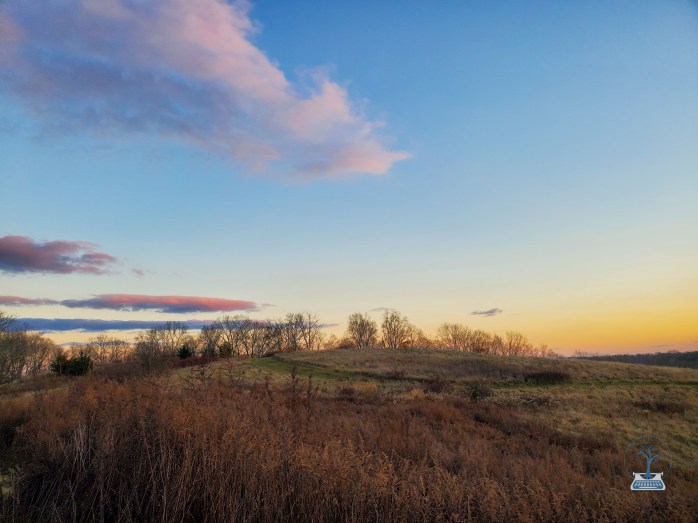
As we finally enter winter, Mother Nature intended for us to slow down. We’re not meant to constantly be “on,” energetic, and active all the time — that’s unnatural, not what we were built to do. Like the birds and plants and animals, now is when we’re meant to turn inwards, cozy up with loved ones, and rest. Rest, recover, recharge, reflect on the past year, and wait until spring. Perhaps that’s why it’s so easy to get overwhelmed this time of year, when we’re pushed to do so much, while our instinct is really to slow down. I find it helpful to take moments to pause and ground myself throughout the month, to really tap into this seasonal rhythm. Just a few moments like this can make all the difference and bring light to the shorter days.
~*~
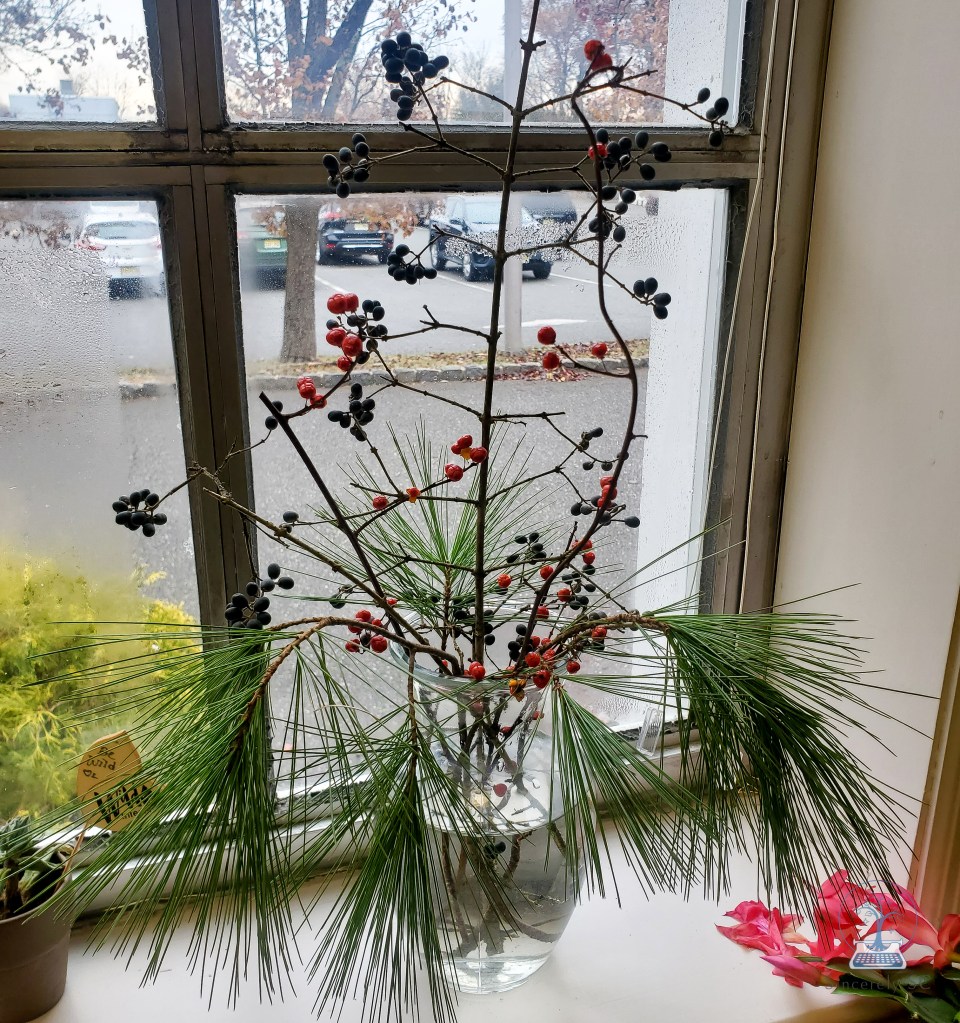
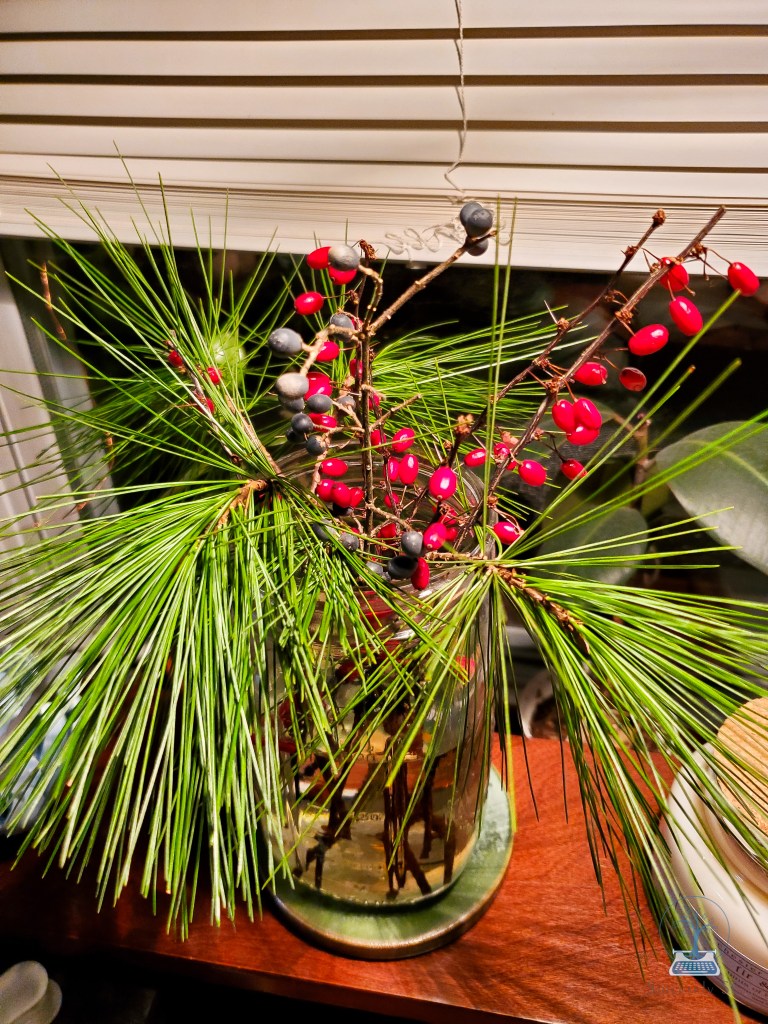
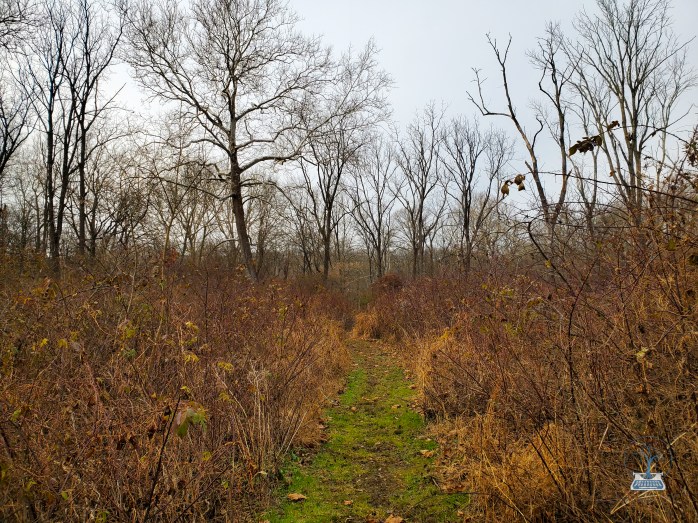
One way I bring light to this time of year is to forage for winter decor while on my regular walks. There’s something magical and satisfying about bringing the outdoors inside, especially pieces you find in your own backyard or local park. I find so much joy in taking a slow, leisurely walk in the cold, and taking my time picking out the best pieces to adorn my desk or living room table back home. Each piece picked carries the memory of this walk, of the woods behind our cottage, and brings some seasonal plants into our home.
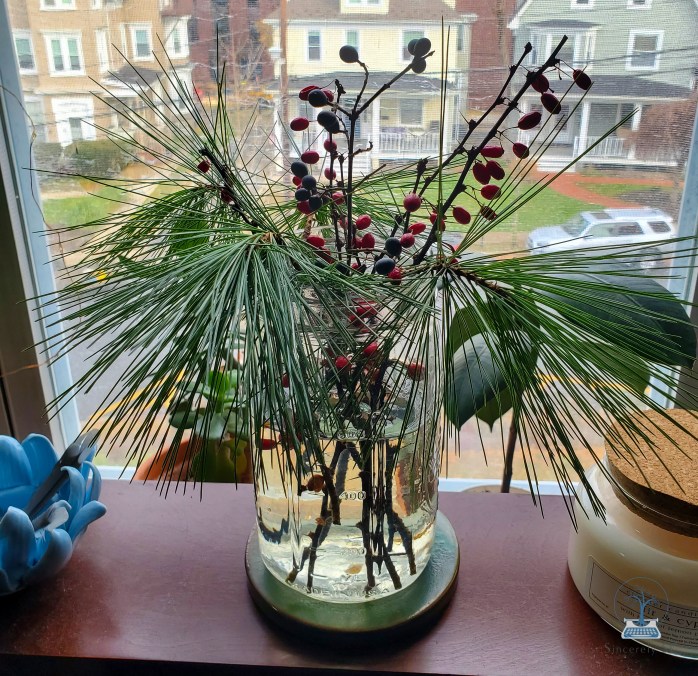
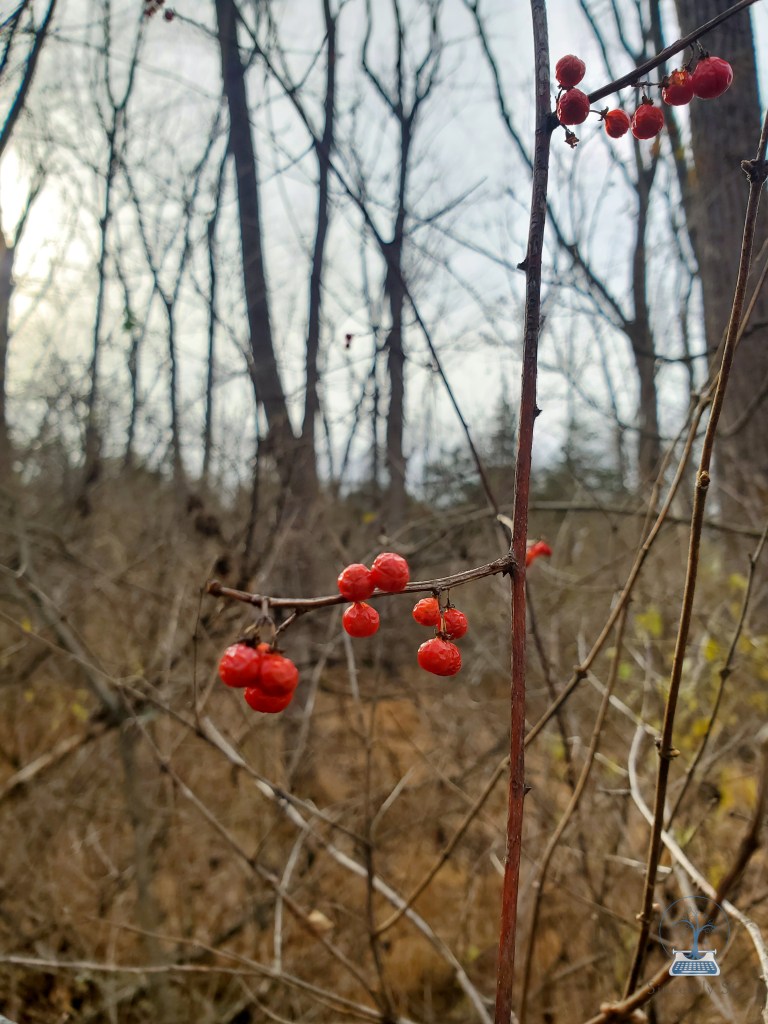
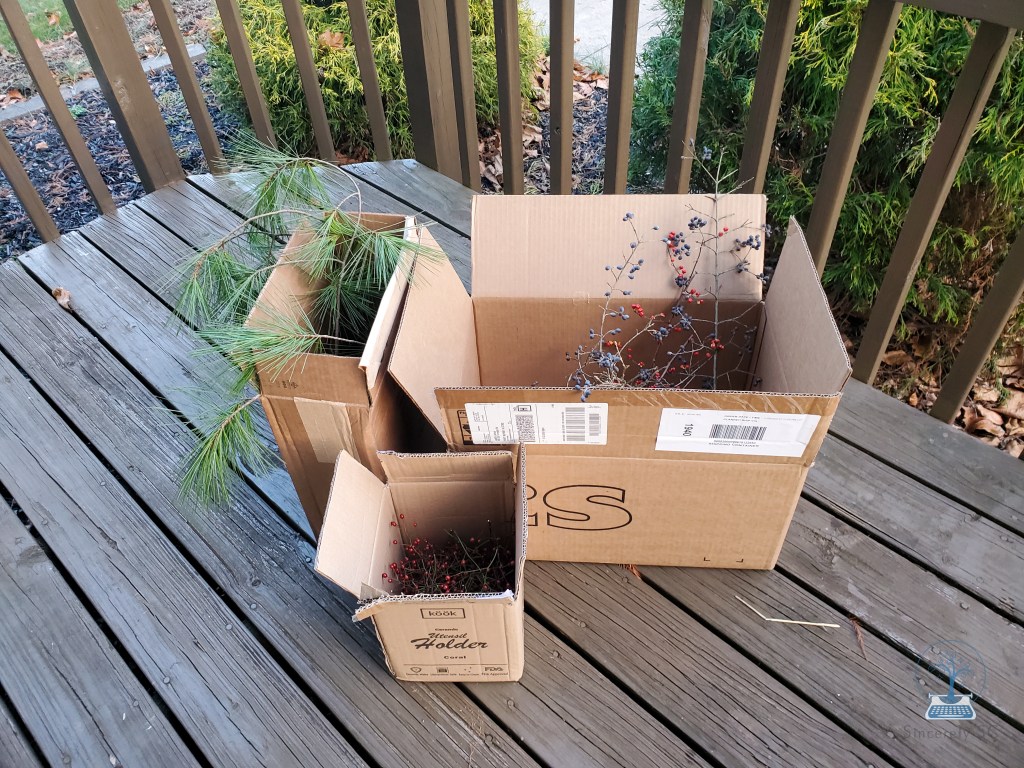
I like to pick a few sprigs of white pine, and cut some invasive berries that are common in our area — privet, Japanese barberry (though watch out for their sharp spikes!), and climbing bittersweet (not to be confused with our native American bittersweet). Since these berries are invasive, I like to think I’m helping the environment a little by removing them from the area. When the winter season is over and you’re ready to get rid of your decor, make sure to throw the berries into the trash, and not to compost them or just throw them into your backyard — this would help the invasives spread more through seed, so it’s better to just throw them into your trash bag.
Once I’ve returned from my walk with my foraged plant material, I’ll grab a few vases and arrange the plants like you would a flower arrangement. These arrangements usually last through the whole holiday season, and make great gifts, too!
Another lovely forage-able plant this time of year is rosehip. You may be tempted to think that there’s not much you can forage in the winter, but you’d be surprised by how much is still out there! Rosehips and pine are two of my favorite winter forage-ables. Both are extremely packed with vitamin C and can provide support during cold and flu season. These gifts from Mother Nature, which are available right at the time of year when we’re likely to develop colds, prove that she’ll always provide for us, giving us exactly what we need when we need it. (Of course, I encourage you to research pine and rosehips yourself, to make sure they’re the right choice for you and your body, before trying them!).
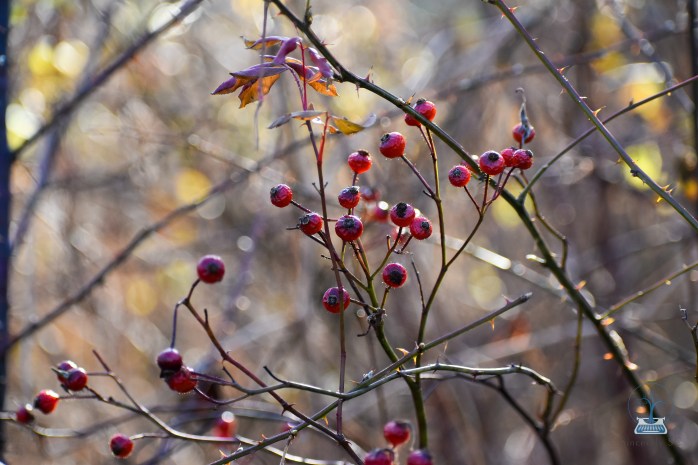
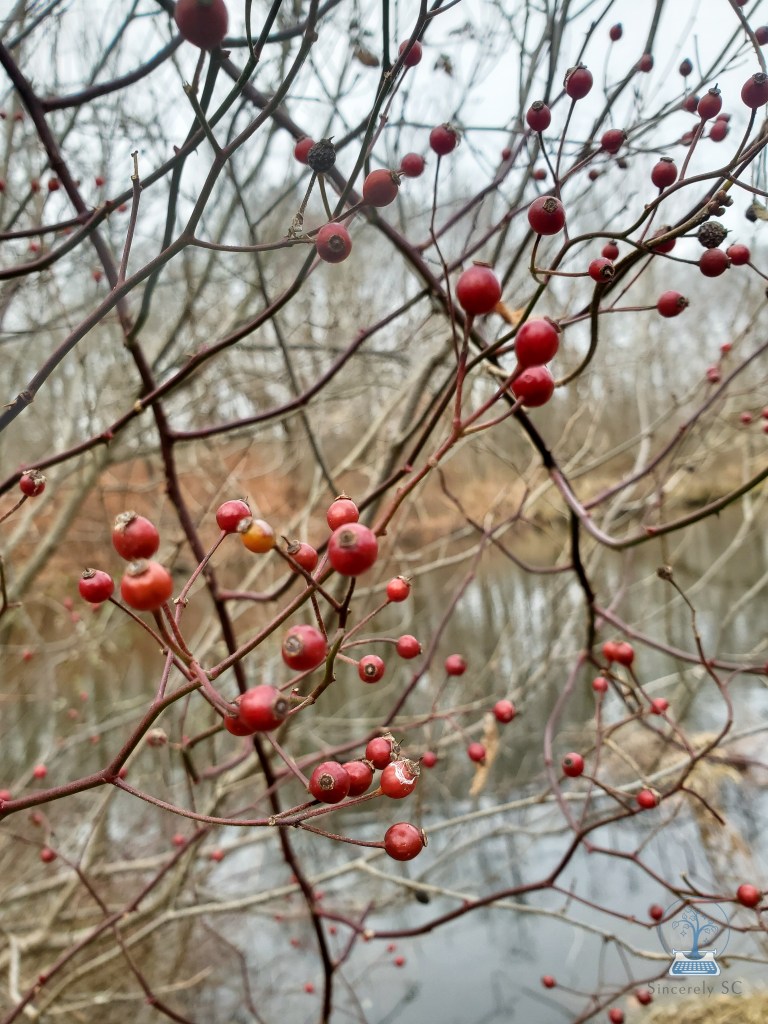
Rosehips, the red berry-like fruit left on rose bushes after the flowers have fallen off, are at their prime this time of year. In the Northeast, it’s good to wait until after a few frosts before harvesting them, since the cold makes them sweeter. Multiflora rose is a common invasive in our area, so it’s a very easy plant to find and forage from. At the cottage, I could only find a few multiflora rose bushes — and it’s good there aren’t many, considering they’re invasive — but there was just the right amount for foraging. Multiflora rosehips are extremely small, and my box quickly filled with the tiny red jewels.
This year, I also found a few native swamp rose bushes for the first time in the cottage woods, which was very exciting! They were large enough and spread far enough apart that I could tell they’ve been there a long time, but I had never noticed them before because they were hidden amongst the blackberries. It’s an honor to have such beautiful, native plants thriving in our woods, and it’s a special feeling knowing our woods provide a safe haven for them, allowing them to flourish and hopefully spread. While their rosehips were beautiful and much larger than the multiflora rosehips, I let them be, in hopes that their seeds will drop and continue to spread through the neighborhood.
Back at the apartment, I dried the rosehips I foraged for storage and tea. You can also use rosehips to make jams and cook with, but in these instances, you need to cut the rosehips in half and scrape out the seeds and tiny hairs, which can irritate your stomach if ingested. But, if you plan on only using the rosehips for tea, you don’t need to scrape out the insides, since you’ll be straining the tea before drinking. I figured using these rosehips only for teas and infusions was the best option, since cutting and scraping out such tiny rosehips would take forever and frustrate me! And infusions are one of my favorite ways to enjoy herbs, anyway — especially on cold, snowy winter days.
~*~
In the spirit of reflecting on the past year, and in order to sow the seeds for the year ahead, I’d like to acknowledge that this post marks almost a full year since I started this monthly slow-living series. The inspiration to do so came because I had recently moved into an apartment with my partner, out of my parents’ cottage, and was searching for a way to stay connected to a land-based, seasonal lifestyle. I’ll admit that it’s harder when you don’t have your own land to grow/forage food and greet nature. But it is possible. Focusing on this blog has helped me to connect to nature in an even deeper way, and I hope that it’s helped you to do so, too.
I’m so grateful to all of you who have followed my blog, commented on and shared each post, and reached out to me to share your appreciation for it. It’s so rewarding to know that this journey resonates with people, and to grow a community around slow, seasonal-living and nature. If we all took a little time to notice and receive Mother Nature’s gifts, I think the world would be a brighter, more sustainable place. Sharing these stories with you, my readers, has given me hope for this brighter future, and I so look forward to what else is in store!
Looking ahead, I wanted to make an exciting announcement: in 2024, I plan on starting a Substack! Substack is a free publishing platform, filled with inspiring writers and their newsletters. I follow several newsletters on Substack — in fact, the biggest inspiration for my slow-living series was a Substack newsletter called The Seasonal Table! I love the opportunity for community and connection on Substack, how you can interact with your readers and how you can subscribe to so many insightful, thoughtful newsletters all in one place. I also enjoy that there’s an app where you can keep track of all the newsletters you follow (don’t worry, you don’t need the app or even an account to subscribe — newsletters will also be delivered directly to your email, similar to how my monthly blog posts are sent to you).
Because Substack is so amazing, I thought I’d try it out in the new year. Don’t worry, though, I plan on still posting here on Sincerely SC — after all, this website is like my baby, and I’ve really enjoyed growing it over the past year. Future posts will be available both here on this site and on Substack — and, if you’re on my mailing list here, you’ve automatically been added to my Substack list. If you’re not already subscribed and would like to follow my Substack, you can sign up directly on my Substack page: sincerelysc.substack.com.
Thank you all for the support through the past year. I hope this slow-living series has brought you closer to nature, and inspired you to explore your own relationship with the natural world around you. I look forward to continuing this series in the new year! May your holiday season and winter be filled with joy, light, love, peace, and much-needed rest — remember to slow down, and follow the cues of the winter season.